How to Maintain Results After Your Professional Teeth Whitening
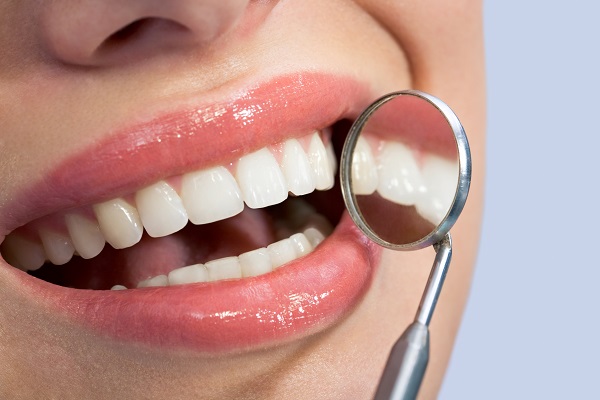
Teeth whitening treatments are an effective way to improve the color of your teeth. The fastest way to get your teeth to the color you want is an in-office treatment performed by a dentist. This involves using prescription-grade whitening products that require dental supervision.
Dentists also provide at-home teeth whitening kits that can be used at home. These do not lead to immediate results like in-office whitening, but they will whiten teeth to similar levels in about three weeks.
Maintaining the results of teeth whitening treatments
A person's teeth are still exposed to the things that discolored them after whitening treatments. As a result, it is only a matter of time before new stains begin to develop on them. Fortunately, there are a handful of things that people can do to make the result of their whitening treatment last. These include the following.
1. Avoid color-rich foods and beverages
The first 48 hours after whitening treatments are crucial because that is how long it takes for the new color of the patient's teeth to set. This makes it important to avoid foods/beverages like coffee, red wine, dark sodas, beets, and pasta sauce during this period.
Acidic beverages like citrus juices should also be avoided because they can weaken enamel, which can increase teeth sensitivity as a result of teeth whitening. Safe foods to eat after whitening treatments include:
- White meats
- White vegetables
- Clear beverages
- Starches like rice and potatoes
2. Practice good dental hygiene
Taking good care of teeth can help prevent new stains and discoloration from developing on their surfaces. Good oral hygiene includes brushing two times per day, flossing once every day, and using a clear mouthwash to rinse the mouth.
Mouthwash helps kill bacteria that promote plaque and tartar buildup. Tartar makes teeth appear yellow and makes it easier for them to pick up new stains. Brushing teeth with a whitening toothpaste a couple of times per week can help remove new surface stains.
3. Get maintenance whitening treatments
Over time, teeth will eventually build up new stains regardless of how well they are cleaned daily. Maintenance whitening treatments are needed to remove deep stains that develop. Professional teeth whitening treatments or at-home whitening kits can be used for touch-up treatments.
4. Visit a dentist twice a year
Regular visits to a dentist go a long way when it comes to keeping teeth white. The dentist will clean the patient's teeth and remove tartar, along with the discoloration that it causes. Surface stains are also removed during teeth cleaning.
The dentist is also the best person to determine when a person needs touch-up whitening treatments. The patient's teeth and gums are examined to ensure that they are healthy enough for the process. Whitening damaged teeth can lead to pain and permanent damage to their structures.
Keeping your teeth white is easy
Give us a call or visit our Grand Blanc clinic to learn more about how we can help you maintain the results of your whitening treatment.
Request an appointment here: https://smilefreshdentalgrandblanc.com or call Smile Fresh Dental at (810) 515-7083 for an appointment in our Grand Blanc office.
Check out what others are saying about our services on Google: Read our Yelp reviews.
Related Posts
Regular dental checkups with a family dentist are essential for maintaining optimal oral health. These visits help detect dental issues early, prevent the development of serious conditions, and ensure that all family members, from children to adults, have access to the necessary care. Regular dental checkups are a cornerstone of good oral hygiene, providing significant…
As a consistent dental provider, a family dentist can monitor a child's oral development as they get older. By closely observing their growth and alignment, the dentist can determine whether the child needs braces to correct dental concerns in their early stages. This proactive treatment helps prevent long-term issues and supports a healthy, confident smile.Once…
When searching for a trusted family dentist, many patients come across the terms “family dentistry” and “general dentistry” and wonder whether there is a difference. While both types of providers offer essential oral health services, the scope and patient focus of each can vary. Understanding the distinction can help patients choose a provider who aligns…
A family dentist is a healthcare professional who provides dental care for patients of all ages. Whether for children, adults, or seniors, a family dentist offers a wide range of services designed to meet the dental needs of the entire family. The convenience and expertise provided by a family dentist can make regular visits easier…