How a Dentist Can Help With Mild Sleep Apnea
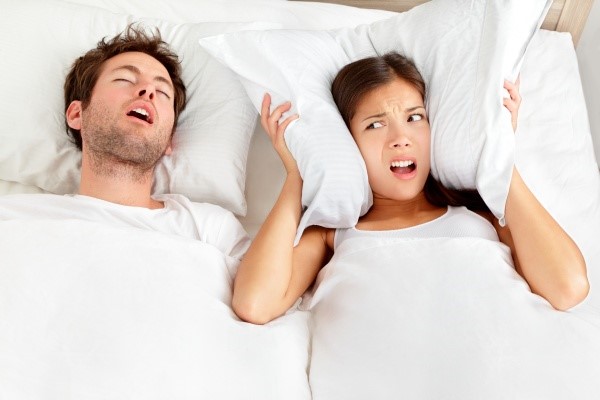
Sleep apnea can be an insidious condition. Due to the fact that it happens when a patient is unconscious, those who are affected by it likely do not know when episodes occur or how much the condition affects daily life. Sleep apnea can lead to loud snoring, daytime tiredness, trouble concentrating, and a feeling of not being refreshed upon waking.
How can sleep apnea affect a patient's life?
Partners of patients with sleep apnea might notice two telltale symptoms of the condition: loud snoring and periods during which the patient stops breathing during sleep. Most patients who can be helped by a dentist will have obstructive sleep apnea, which involves the patient’s throat muscles relaxing and blocking airflow.
Common symptoms of sleep apnea
When muscle relaxation occurs during obstructive sleep apnea, the patient might sputter, gasp for breath, snore, or wake suddenly. Their partner's sleep might be disturbed, as well. Multiple episodes over the course of the night can cause frequent waking and lead to poor quality sleep. Central sleep apnea presents with similar symptoms, but it develops from the brain’s inability to correctly signal the muscles that control the patient’s breathing.
Reasons to seek help from a dentist
Sleep apnea can increase preventable health problems by decreasing patients’ quality of sleep. Those who suffer from the condition are at higher risk for diabetes and heart disease. Because of sleep’s protective effect on mood, those who have sleep apnea are more likely to develop or have a relapse of a mood disorder, such as depression or bipolar disorder.
How can a dentist help treat sleep apnea?
Sleep apnea can be a potentially serious disease. There are several ways in which a dentist can help treat sleep apnea, including oral appliance therapy. For a milder case of sleep apnea, a dentist might provide a patient with one of the following devices.
Mandibular advancement devices
These are the most common devices used for treating mild sleep apnea. These devices look like mouthguards, so they may be comfortable and familiar for patients who have previously worn retainers or other nightguard-type devices. Mandibular advancement appliances push the lower jaw forward to tighten the muscles that usually relax during an episode of apnea. This new position will help the patient breathe normally at nighttime.
Tongue-retaining devices
These devices are not as common as mandibular devices. Mandibular devices tend to work well for patients who comply with treatment and present with uncomplicated cases of sleep apnea. Tongue-retaining appliances hold the tongue forward to keep the patient’s airway open. This prevents a position that would lead to apnea, and the new tongue position holds the lower jaw forward to retain beneficial muscle tension in the throat, as well.
Conclusion
Although severe cases of sleep apnea may need further evaluation by medical professionals, milder cases can be successfully treated by a dentist. If you have further questions, get in touch today to see what a dentist can do to enhance your quality of life by treating sleep apnea as soon as possible.
Request an appointment here: https://smilefreshdentalgrandblanc.com or call Smile Fresh Dental at (810) 515-7083 for an appointment in our Grand Blanc office.
Check out what others are saying about our services on Google: Read our Yelp reviews.
Related Posts
Visiting a family dentist makes it easier for individuals and families to stay consistent with preventive care. A practice that serves patients of all ages under one roof brings added convenience and comfort to every appointment. By combining comprehensive services with a patient-centered approach, a family dentist supports long-term oral health in a way that…
Family dentists offer comprehensive care for all ages, from young children to elderly adults. This versatility makes them an ideal solution for busy households seeking a one-stop solution for their dental needs. By offering convenience and continuity in oral health care, these dental professionals can help families simplify their professional and at-home dental routines.One of…
A chipped tooth can affect your smile's appearance and oral health, leading to discomfort, sensitivity, and self-esteem issues. Fortunately, there are several effective options to restore a tooth's natural look and strength. A variety of treatments are available, depending on the severity of the chip, its location, and your treatment goals.A chipped tooth can result…
Choosing a family dentist can offer numerous benefits for households with members of different age groups. These dental professionals provide comprehensive dental care for children, adolescents, adults, and seniors. They offer a variety of services that ensure convenience, consistency, and high-quality treatment throughout every stage of life.A family dentist can address a wide range of…